The education system in Vietnam and the United States reflect different cultural values and educational priorities.
In Vietnam, the relationship between teachers and students tends to emphasize respect for authority and structured guidance. Teachers play a central role in delivering knowledge, while students are encouraged to listen carefully and follow established instructions. In contrast, the education system in the United States promotes open communication and interactive learning, where students are encouraged to ask questions, express opinions, and engage in classroom discussions.
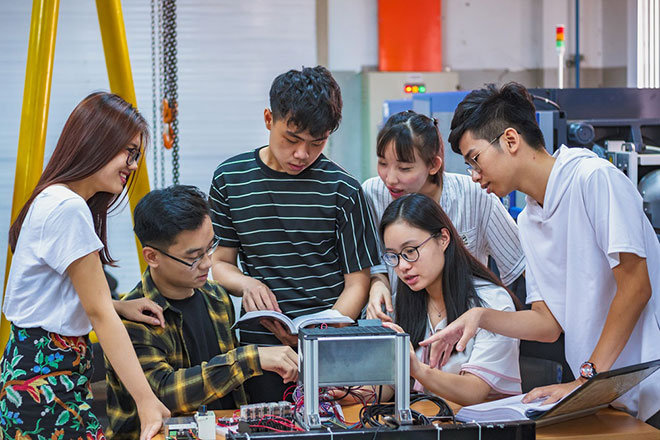
Regarding teaching methods, Vietnamese education focuses on building a strong theoretical foundation, ensuring that students acquire essential academic knowledge. Meanwhile, education in the United States places greater emphasis on applying knowledge through discussions, group projects, and hands-on activities, helping students develop critical thinking and problem-solving skills.
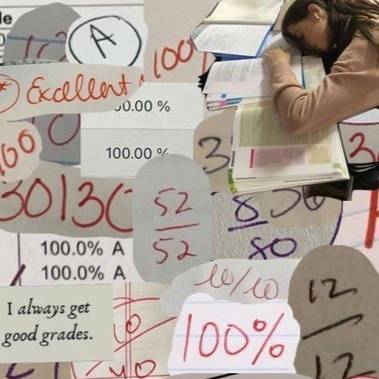
Assessment methods also differ between the two systems. In Vietnam, examinations are considered an important tool for measuring academic performance, often playing a significant role in final outcomes.
On the other hand, American schools adopt a more comprehensive evaluation approach, incorporating homework, quizzes, class participation, presentations, and projects alongside major exams.
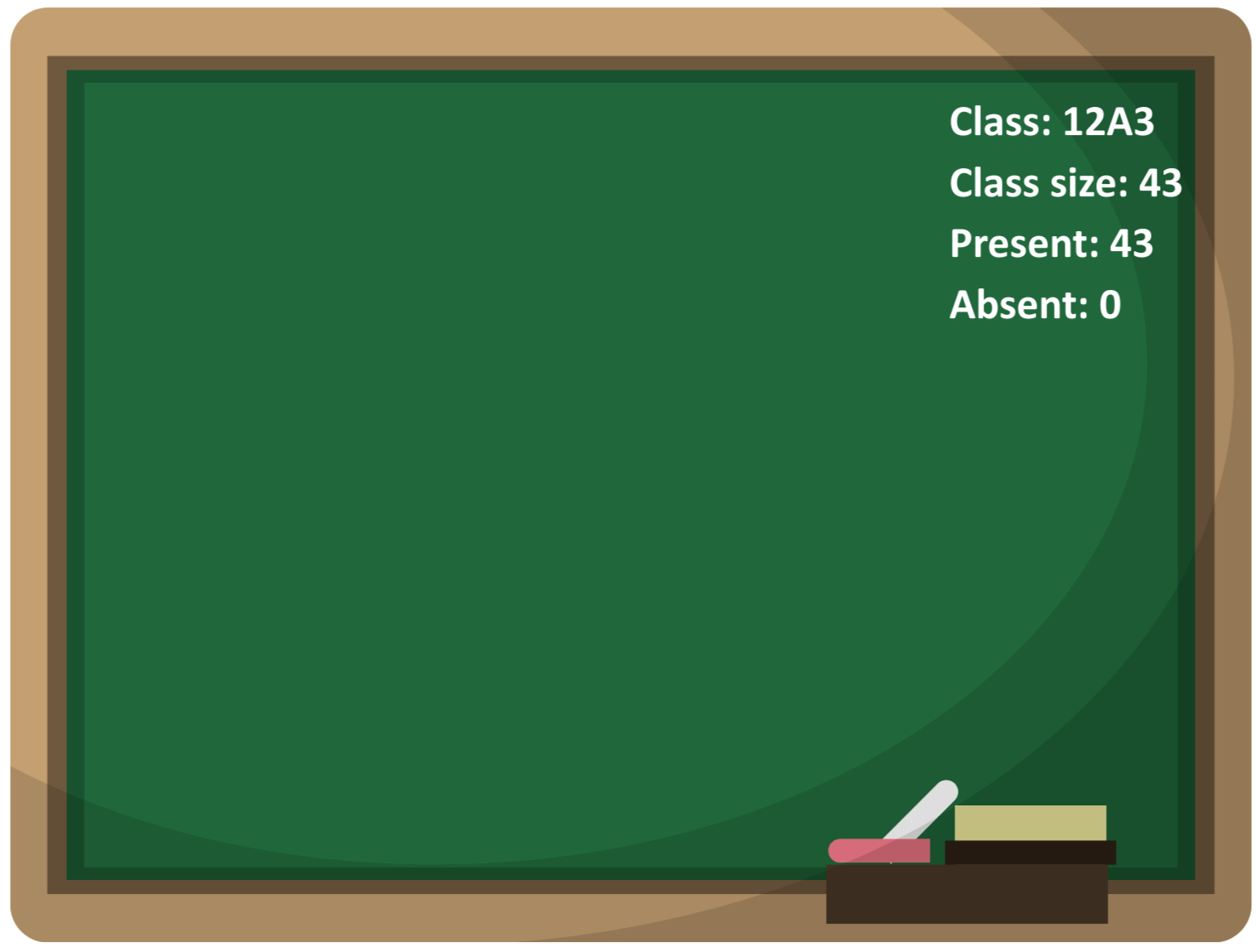
Class size is another noticeable difference. Due to differences in educational scale and infrastructure, classrooms in Vietnam are generally larger, while smaller class sizes in the United States allow for more personalized interaction between students and teachers.
Overall, each education system has its own strengths. While Vietnam’s education system emphasizes academic discipline and a solid knowledge base, the United States focuses on fostering independence, creativity, and active participation. These differences highlight how education systems are shaped by their social and cultural contexts.