In Japan, we have the summer star festival, called “Tanabata” on July 7th. This event is one of the most famous Japanese traditional events that many Japanese celebrate. In this blog, I want to introduce what “Tanabata” is, the story behind Tanabata, and Tanabata traditions.
What is "Tanabata"?
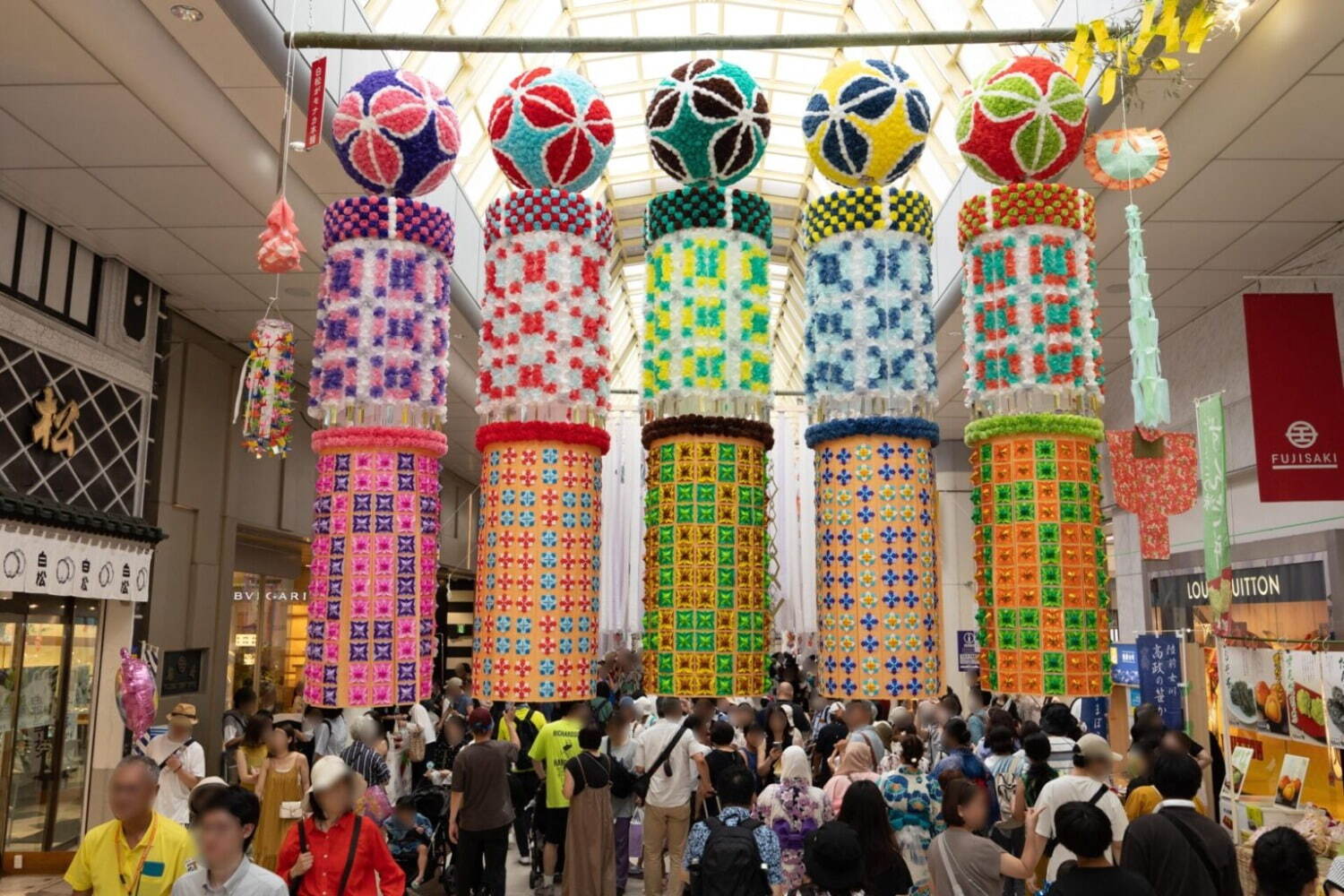
Tanabata originally derived from a Chinese festival called Kikkōden, in which people wished to improve their weaving and sewing skills. The tradition came to Japan in the Nara period (710 to 794 C.E) and later developed into a court ceremony during the Heian period (794 to 1185 C.E). Today, Tanabata has become an event that people of all ages, from children to adults, can enjoy. The Sendai Tanabata Festival is one of the most famous Tanabata celebrations in Japan.
The Story Behind Tanabata
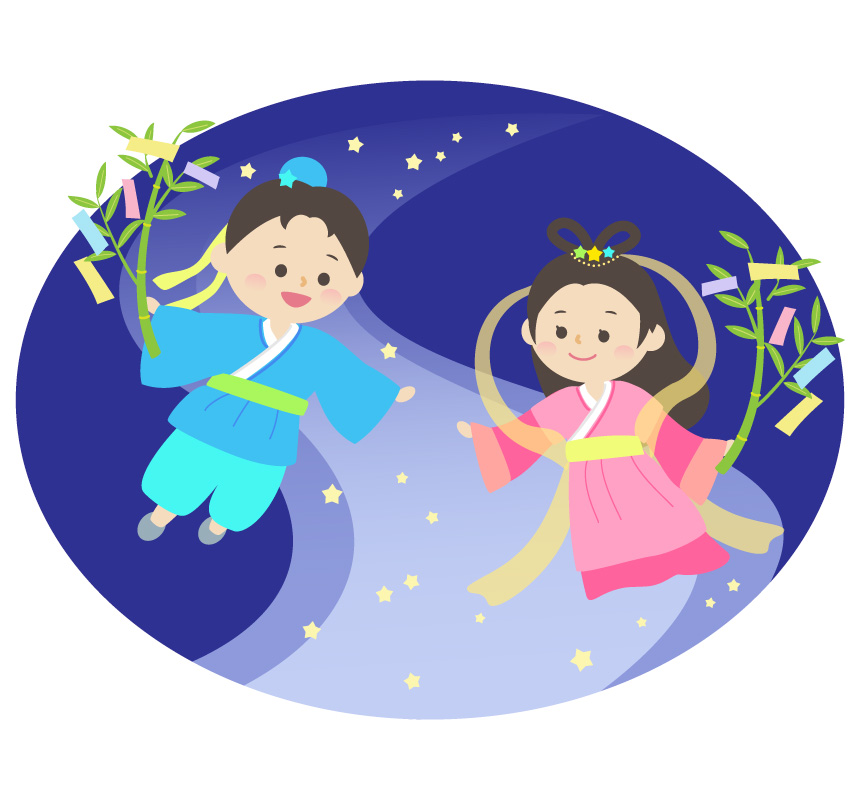
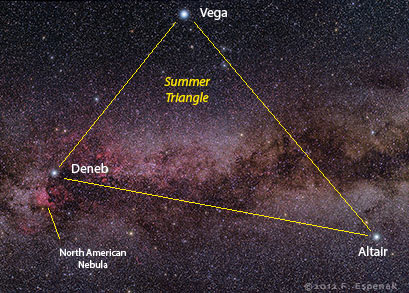
The story is about Orihime, a weaving princess, and Hikoboshi, a cowherd. They fell in love and got married. However, they become so focused on each other that they neglect their duties. Because of this, they were separated by the Sky King and placed on opposite sides of the Milky Way. They are only allowed to meet once a year, on July 7th. Their once-a-year reunion symbolizes patience and hope. Orihime corresponds to the star Vega, Hikoboshi to the star Altair, and together with Deneb, they form the Summer Triangle, a prominent group of stars visible in the summer night sky.
Tanabata Traditions
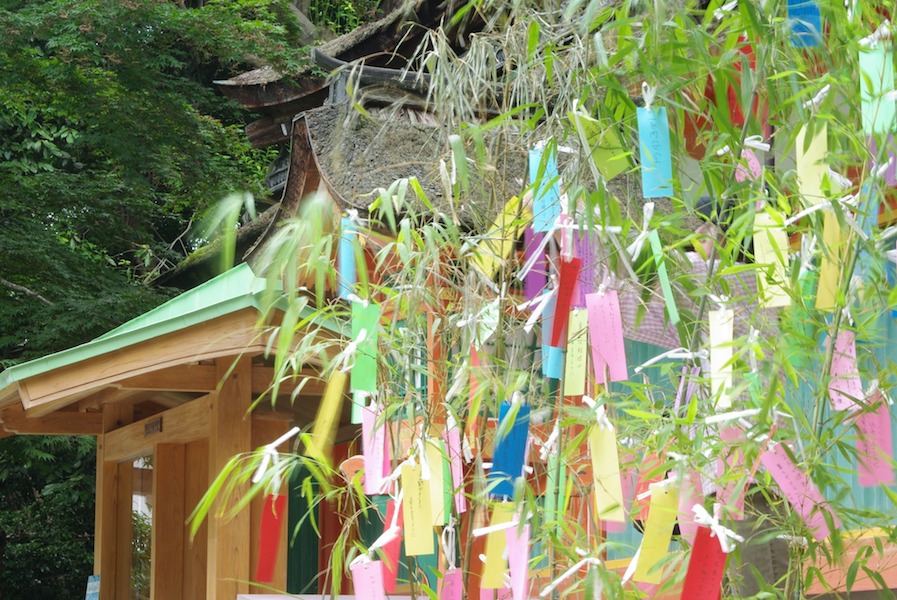
People write their wishes on small pieces of paper called tanzaku. You can write any wishes, such as success, health, or your dreams. The tanzaku are hung on bamboo branches. Bamboo is used because it’s believed to be strong and pure. And the wishes are believed to reach the stars and come true.
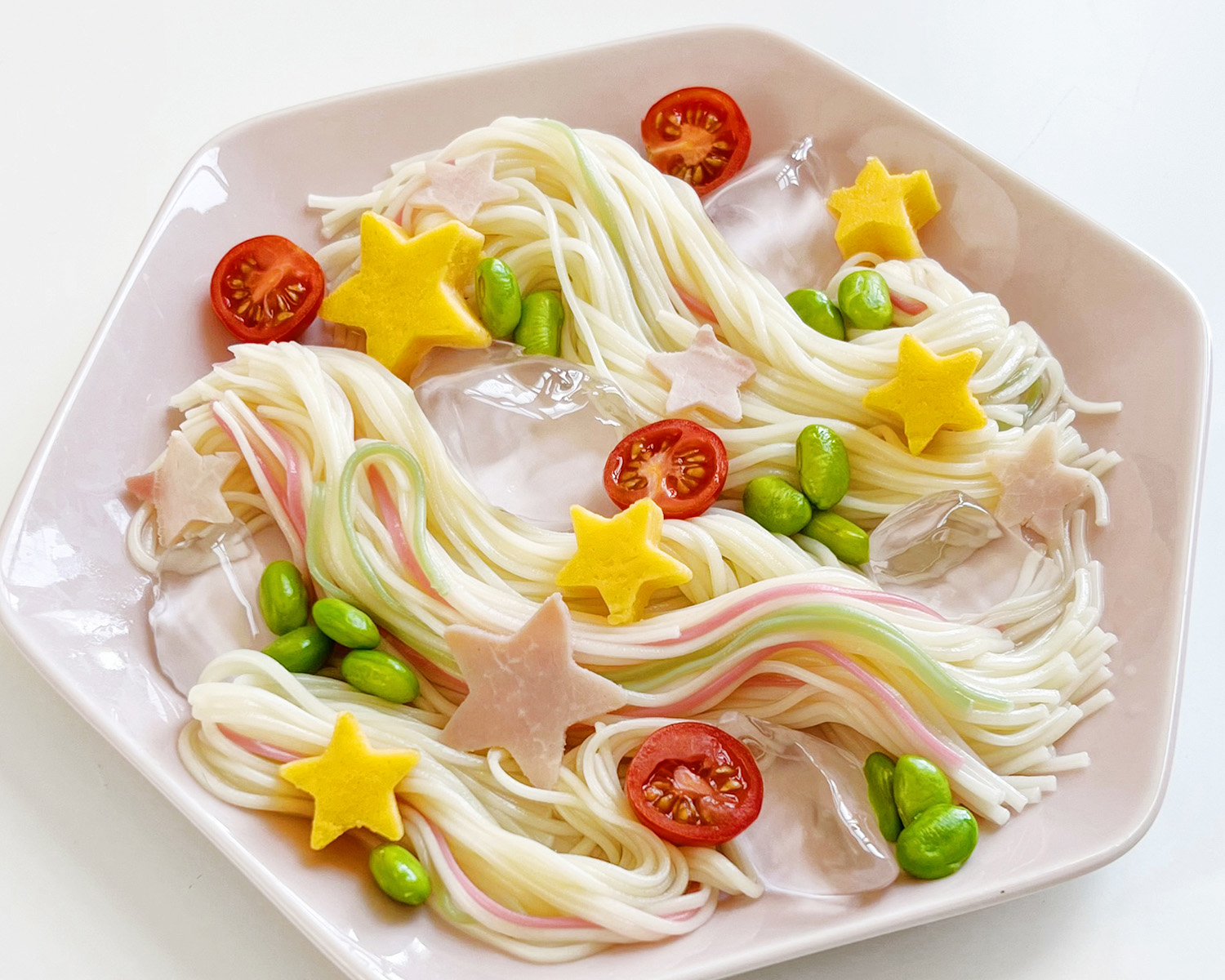
We also eat somen, which is a thin, white noodle. Somen is a traditional Japanese noodle often eaten in Tanabata. Because somen look like the Milky Way, many families enjoy somen on July 7th as a symbol of good wishes and good health. It’s usually served cold with soup to dip during the hot summer season.
Tanabata is a traditional Japanese festival that combines history, mythology, and cultural customs. It’s a meaningful celebration that continues to be celebrated today, bringing people together through wishes and hopes written on tanzaku.