Select a Language
In this blog, I interviewed international students and asked them to tell us what they like about their home countries. Since we international students come from many countries, and it is difficult to introduce the best of all countries at once, I interviewed international students from European countries! I would be happy if I could share with you the love of their home countries!
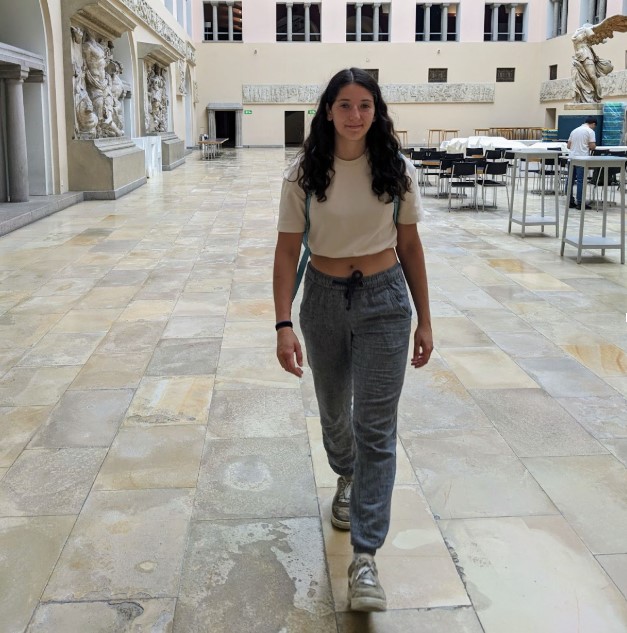
Fernanda (From Vitoria-Gasteiz, Spain)
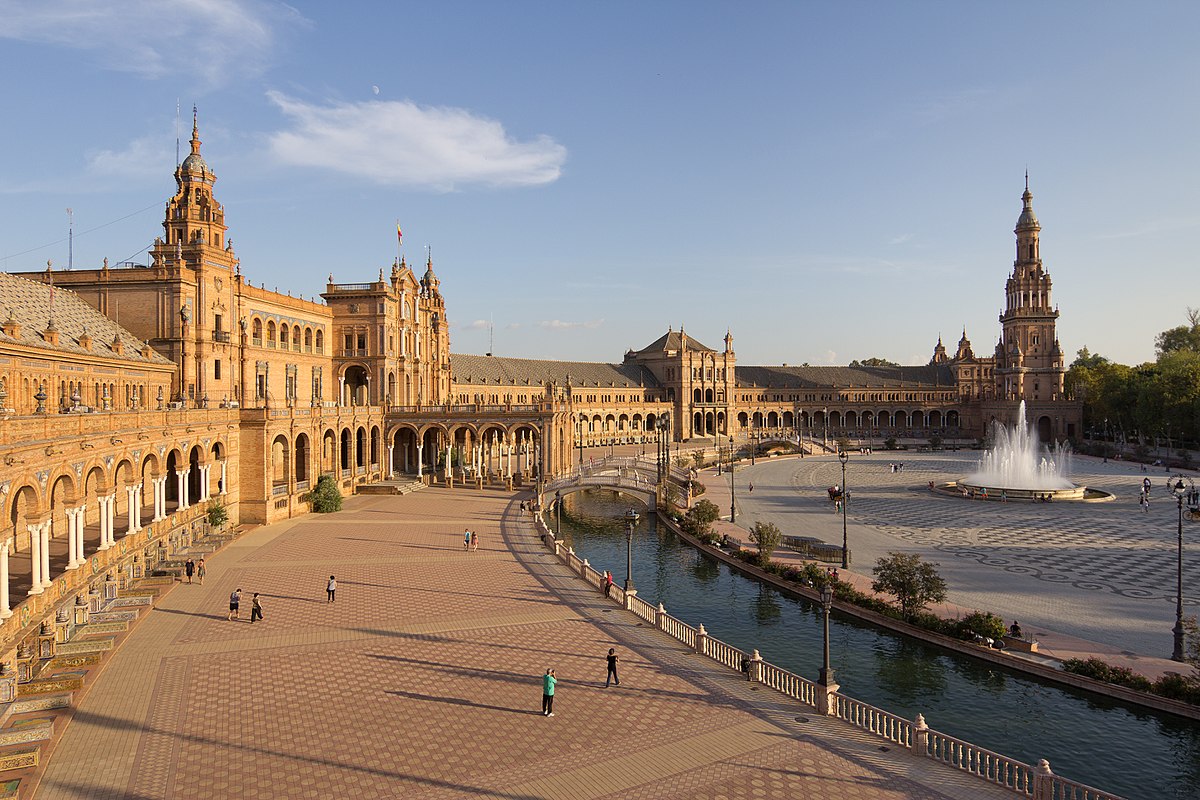
Q1. What sightseeing spots should we definitely visit?
“El Casco Viejo” is a small part of the town that has remained the way it was since the medieval era and is definitely worth a visit, as well as “La plaza de España,” where you will always find people or some activity going on.
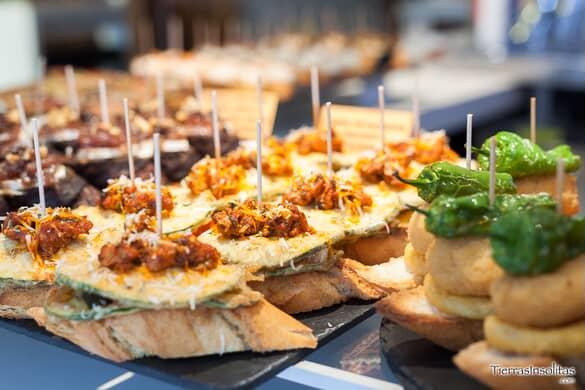
Q2. Tell us about your delicious cuisine!
A big part of Spain is the little bars everywhere, where you can come in and enjoy traditional “Tapas” or some “tortilla de patatá”
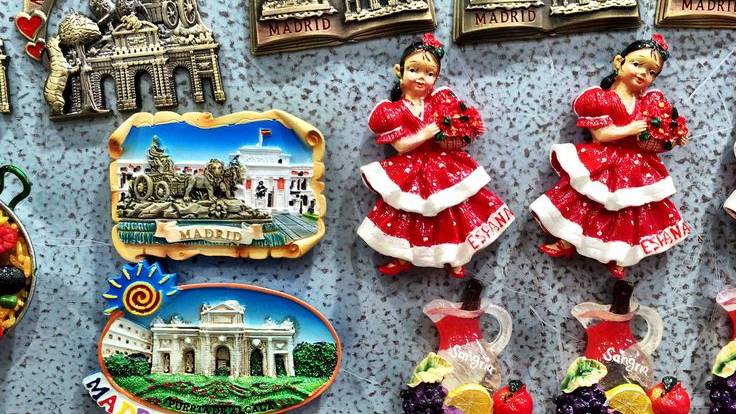
Q3. What souvenirs should we buy?
Souvenirs can be found in so many little shops around town and can vary from sweet treats to cute artisan magnets and useful tools.
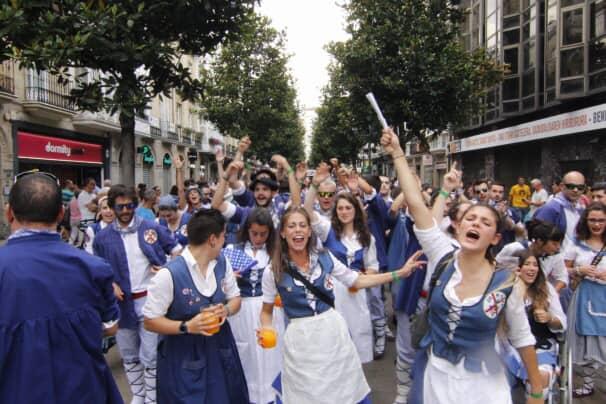
Q4. What are some interesting cultures and customs in your country?
We have many holidays like “El Olentzero” where many dress up in the traditional “Neskas y Nelskos” attire, and we dance on the streets.

Celina (From Parchim, Germany)
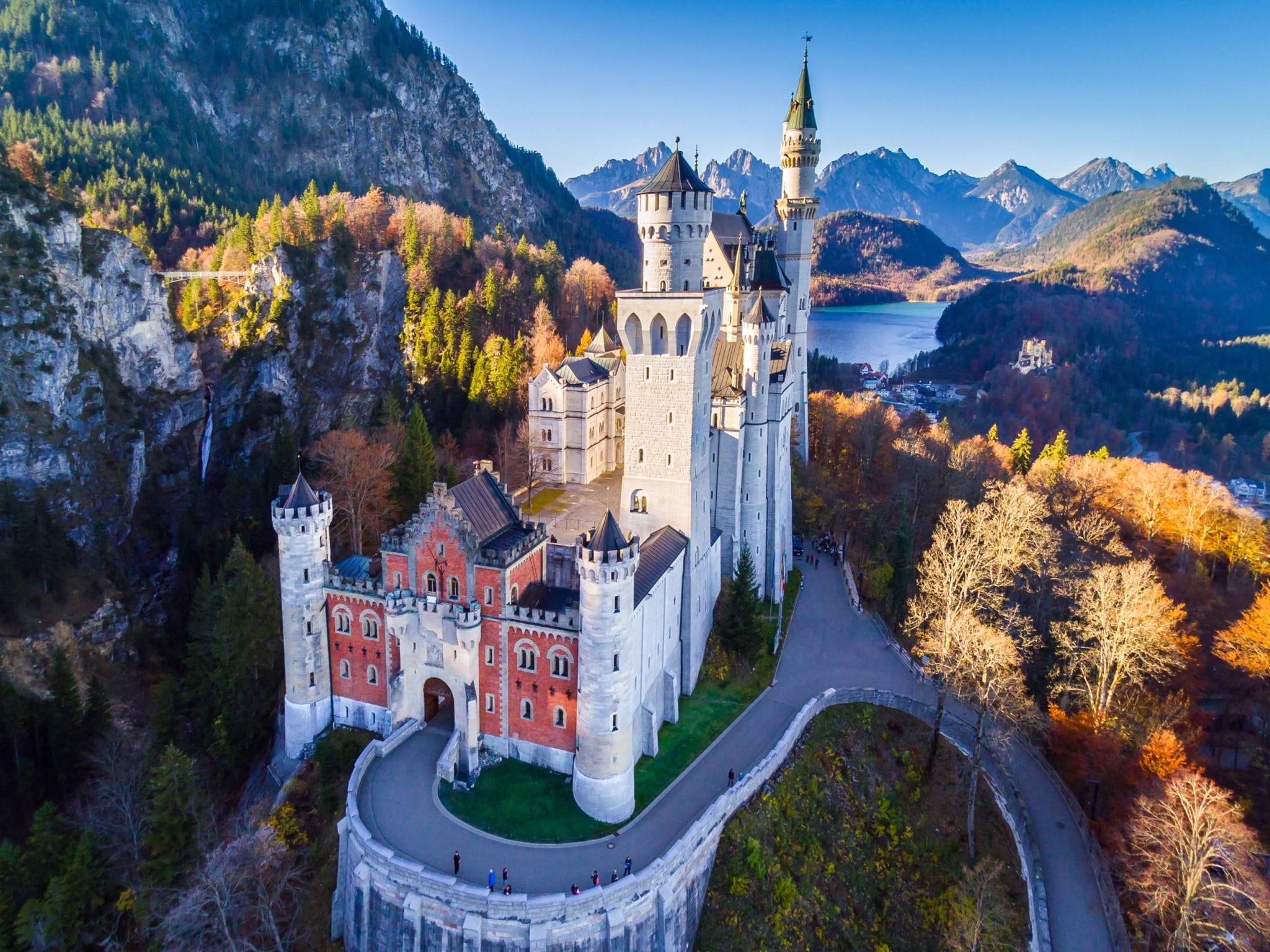
Q1. What sightseeing spots should we definitely visit?
I recommend visiting the Brandenburg Gate in Berlin, a symbol of German unity, and the Berlin Wall memorial. For nature lovers, the Black Forest offers beautiful woods and hiking trails. In northern Germany, enjoy the coastal landscapes of the North and Baltic Seas. Lastly, Neuschwanstein Castle in Bavaria is a must-see fairy-tale landmark.
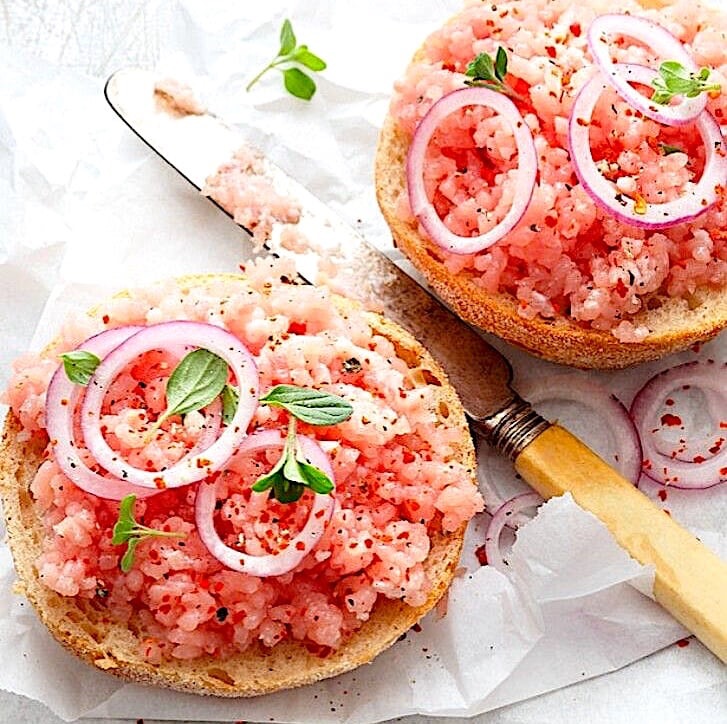
Q2. Tell us about your delicious cuisine!
German cuisine is known for its hearty dishes, regional specialties, and strong culinary traditions. It often features meat, potatoes, bread, and seasonal vegetables. Popular dishes include „Bratwurst“ (grilled sausage), „Sauerbraten“ (marinated roast beef), and „Schnitzel“ (breaded meat cutlet). For dessert, traditional sweets like Black Forest cake („Schwarzwälder Kirschtorte“) and apple strudel are loved across the country. And, of course, German cuisine wouldn’t be complete without its world-famous beer, often enjoyed at festivals such as Oktoberfest. Nuremberg gingerbread is also a traditional German Christmas treat made with nuts, honey, and spices
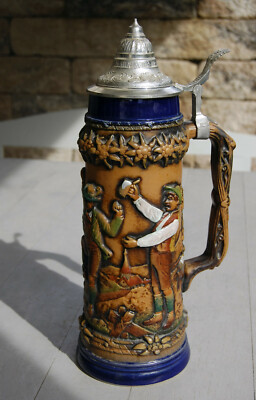
Q3. What souvenirs should we buy?
A great choice for souvenirs would be beer steins („Bierkrüge“), which are beautifully decorated mugs made of ceramic or glass and symbolize Germany’s famous beer culture. Another sweet and classic souvenir is Haribo gummy bears, as they were invented in Germany and are loved by people of all ages. For local products, visit a local market to buy delicious honey, jam, sausages, or pickles in a jar, to take a bit of German flavor home with you. Overall, in most bigger cities in Germany, you can find souvenir shops with lots of stuff with the local landmarks on it, like shirts, caps, shot glasses, and so on, with the Berlin Television Tower.
Q4. What are some interesting cultures and customs in your country?
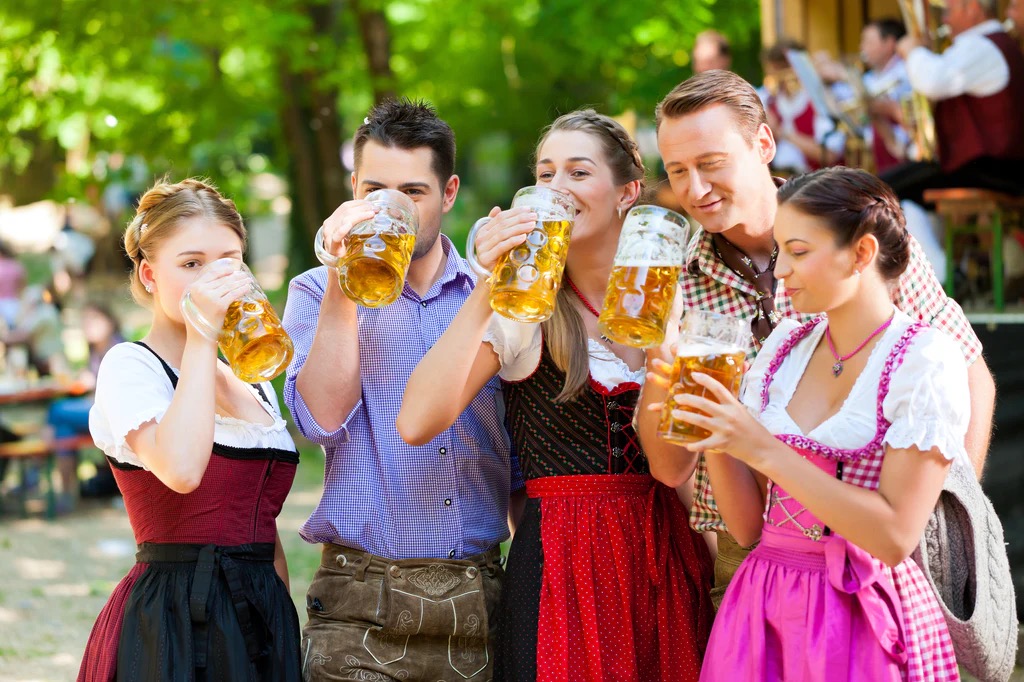
One well-known custom is the celebration of Oktoberfest in Bavaria, where people wear traditional clothing, „Lederhosen“ for men and „Dirndls“ for women, and enjoy German beer, music, and regional food like „Weißwurst“ (Bavarian veal sausage) and „Brezen“ (large soft pretzels). The position of the bow on a Dirndl’s apron traditionally indicates a woman’s relationship status: on the left means single, on the right means married or taken, in the middle means a virgin, and at the back means widowed. In many regions, Christmas is celebrated with Christmas markets, homemade decorations, and Advent traditions like an Advent calendar. Another important custom is „Osterfeuer“ (Easter fire), where large bonfires are lit to celebrate the arrival of spring and to chase away the winter spirits.
In this blog, I introduced Spain and Germany. I hope I have shown the love for their home countries well, and if you ever have a chance to visit Spain and Germany, please refer to this blog. I will continue to interview international students from all over the world, so please look forward to it! Thank you for reading to the end!
留学生に聞いた!私の国の自慢ポイント(パート3)
今回のブログは「留学生に聞いた!私の国の自慢ポイント」パート3です!
今回はヨーロッパから、2人の留学生にインタビューをし、スペインとドイツの魅力をご紹介します。それぞれの国の“自国愛”がたっぷり詰まった内容になっていますので、どうぞお楽しみに!
Fernanda (From Vitoria-Gasteiz, Spain)
Q1. どこの出身?
スペイン、ビトリア=ガスティス
Q2. 絶対に行くべき観光地は?
カスコ・ビエホ(El Casco Viejo)という町は中世の面影を残し、歴史が感じられる町なので、絶対に訪れるべきです!また、スペイン広場(La plaza de España)にはいつも多くの人が集まっており、イベントも定期的に行われているのでおすすめです。
Q3. おいしい郷土料理を教えて!
小さなバルがあちこちにあるため、スペインの伝統的料理である、タパス(Tapas)やトルティージャ・デ・パタタ(tortilla de patatá)を楽しむのが最高です!
Q4. お土産は何がおすすめ?
お土産は町のあちこちにある小さな店で見つけることができ、甘いお菓子からかわいい職人のマグネット、便利な道具までさまざまなものが売っています!
Q5. 自国の面白い文化や習慣は?
スペインには、エル・オレンセロ(El Olentzero)のような祝祭日がたくさんあり、多くの人が伝統的なネスカス・イ・ネルスコス(Neskas y Nelskos)の衣装を身にまとい、街頭で踊るので、とても盛り上がります!
Celina
Q1. どこの出身?
ドイツ、パルヒム
Q2. 絶対に行くべき観光地は?
ドイツ統一の象徴であるベルリンのブランデンブルク門やベルリンの壁記念碑に訪れることをおすすめします! 自然愛好家には、美しい森とハイキングコースが広がるシュヴァルツヴァルト(黒い森)がおすすめです。北ドイツでは、北海とバルト海の海岸風景を楽しむのが最高です!バイエルン州にあるノイシュヴァンシュタイン城は、おとぎ話のような名所として必見です。
Q3. おいしい郷土料理教えて!
ドイツ料理は、ボリュームたっぷりの料理、地域の特産品、そして強い食文化の伝統で知られています。人気の料理には„Bratwurst“(焼きソーセージ)、 „Sauerbraten“ (マリネしたローストビーフ)、 „Schnitzel“(パン粉をまぶしたカツレツ)などがあります。デザートには、ブラックフォレストケーキ„Schwarzwälder Kirschtorte“やアップルシュトルーデルといった伝統的なスイーツが全国で愛されています。そしてもちろん、世界的に有名なビールなしではドイツ料理は語れません。オクトーバーフェストなどの祭りで楽しまれることが多いです。また、ナッツ、蜂蜜、スパイスで作られるニュルンベルクのジンジャーブレッドも、ドイツの伝統的なクリスマスのお菓子です。
Q4. お土産は何がおすすめ?
お土産に最適なのはビールジョッキ“Bierkrug”です。陶器やガラス製の美しく装飾されたマグカップで、ドイツの有名なビール文化を象徴しています。もう一つの甘くて定番のお土産はハリボーのグミベアです。ドイツ発祥で、老若男女問わず愛されています。地元の特産品なら、地元の市場を訪れてみてください!美味しい蜂蜜、ジャム、ソーセージ、ピクルスなどを購入し、ドイツの味をお持ち帰りできます。ドイツのほとんどの主要都市では、地元の名所をモチーフにした商品が豊富な土産物店を見つけることができます。
Q5. 自国の面白い文化や習慣は?
バイエルン地方で知られる風習の一つがオクトーバーフェストです。ここでは人々が伝統衣装——男性は「レーダーホーゼン」、女性は「ディルンドル」——を身にまとい、ドイツビールや音楽、そして「ヴァイスヴルスト」(バイエルン風子牛のソーセージ)や「ブレッツェル」(大きな柔らかいプレッツェル)といった郷土料理を楽しんでいます。ディルンドルのエプロンに結んだリボン位置は伝統的に女性の関係状態を示し、左は独身、右は既婚または交際中、中央は処女、後ろは未亡人を意味します。多くの地域ではクリスマスマーケットや手作り装飾、アドベントカレンダーなどの伝統でクリスマスを祝います。もう一つの重要な風習は「オスターファイアー」(復活祭の火)で、春の訪れを祝い冬の精霊を追い払うために大きな焚き火が灯されます。
今回は、スペインとドイツを紹介しました!2人の自国愛がよく伝わったと思います。特に、両国の郷土料理がとても美味しそうでしたね!もし、スペインやドイツに訪れる機会があればぜひこのブログを参考にしてみてくださいね。これからも、世界各国から来た留学生たちにインタビューしていきますので、お楽しみに!最後までお読みいただき、ありがとうございました!